

How AI is devouring the planet

Artificial intelligence is an extremely physical and resource-intensive technology. It is sometimes described as « novice » or « predatory » for the planet because its current development relies on a « brute force » strategy that places a heavy burden on the environment.
AI: A Major Challenge for Natural Resources in 2026
 To function, AI requires ultra-powerful servers housed in giant data centers.
Training a single large-scale AI (like current cutting-edge models) consumes as much electricity as several hundred American households for a year.
Each query you make consumes approximately 10 times more energy than a simple, standard Google search.
 By 2026, AI already accounts for a significant portion of the increase in global electricity demand, sometimes prompting certain countries to delay the closure of coal or gas-fired power plants to compensate.
Massive Water Consumption for Cooling
It’s often forgotten, but servers generate a tremendous amount of heat. To prevent them from overheating, data centers use water-cooling systems.
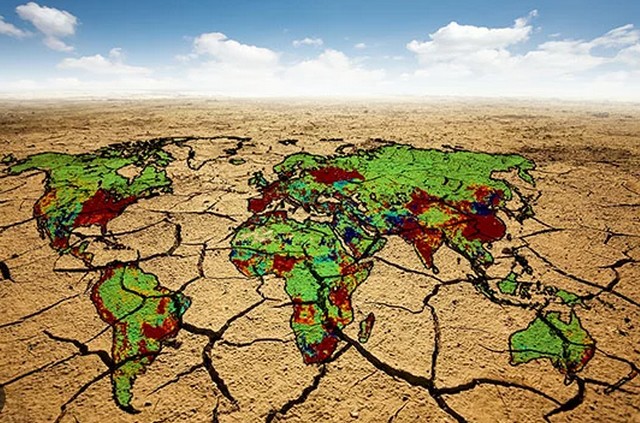 It is estimated that for every set of 10 to 50 questions asked of an AI, approximately 500 ml of water is « consumed » (evaporated) to cool the machines.
In some arid regions (such as Arizona or parts of Europe), the water used by tech giants competes with the needs of agriculture and human consumption.
Dependence on rare metals and minerals
AI cannot exist without extremely sophisticated electronic chips (GPUs). Their manufacture requires rare earth elements and critical metals: lithium, cobalt, copper, graphite…
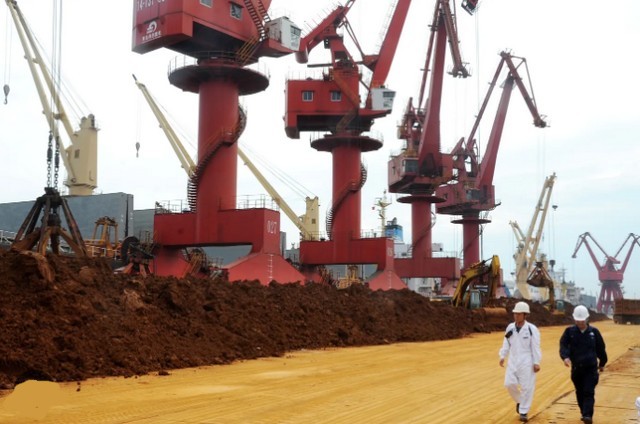 The extraction of these materials is devastating for ecosystems (open-pit mines, groundwater pollution).
Computer hardware related to AI becomes obsolete very quickly (every 2 or 3 years).
This creates a mountain of electronic waste that is difficult to recycle and requires the constant extraction of new virgin resources from the ground.
The paradox: can AI also save the planet?
Despite this heavy toll, AI is also a tool for optimization. By 2026, it will be used to better manage electrical grids and integrate renewable energies.
Discover new materials for greener batteries. Optimize agriculture to use less water and pesticides.
The challenge of tomorrow: Moving from « brute force » AI to frugal AI (or « Green AI »), capable of delivering the same results with 100 times less computing power.


On the same subject

Uber launches its Elite option
Uber has announced the launch of a new luxury transportation experience, provided by professional...

The ski industry in China is finally gaining its independence
The winter sports landscape in China is undergoing a profound transformation, as illustrated by...

Why Europe has become the world’s leading arms importer
Europe has gone, in just a few years, from a zone of relative stability...

